October 1, 2026
Emergency Dentist Beverly Hills Services You Should Know About
By @israelwsuz188

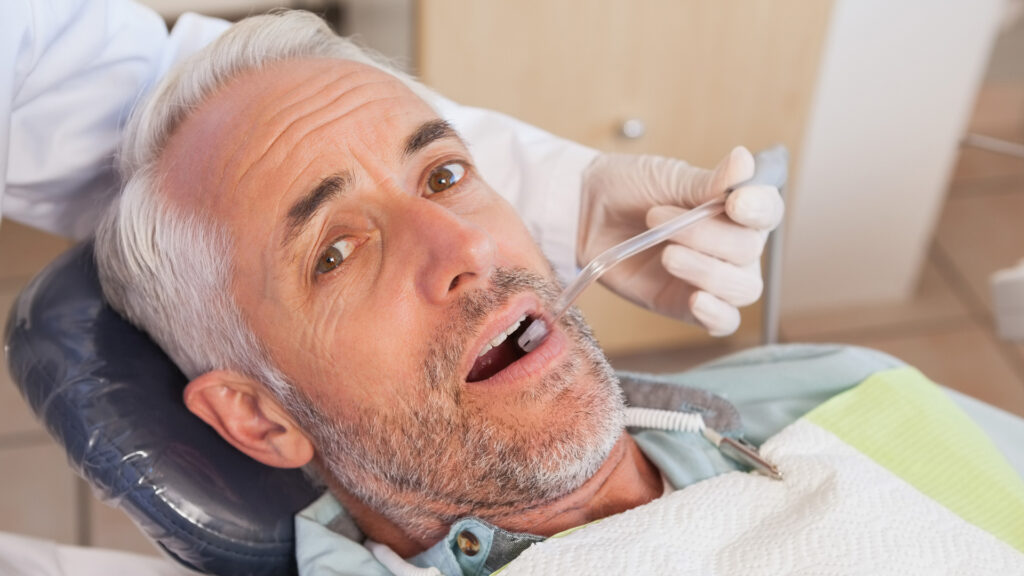
A dental emergency rarely arrives at a convenient time. It tends to show up during dinner, in the middle of the night, before a flight, or just hours before an important meeting. In Beverly Hills, where schedules are tight and expectations for appearance are high, people often hesitate for the wrong reason. They wonder whether the problem is serious enough, whether they can wait until Monday, or whether urgent dental care will be unreasonably complicated.
In practice, the right response depends less on panic and more on judgment. Some dental issues are painful but not dangerous. Others look minor at first and can turn into deeper infections, nerve damage, or tooth loss if left alone. That is where an experienced emergency dentist Beverly Hills patients can access quickly becomes important. The real value is not only fast treatment. It is accurate triage, pain control, and preserving as much healthy tooth structure as possible.
Emergency dentistry is often misunderstood. People tend to think it means only extractions or dramatic trauma. In reality, many urgent visits involve cracked teeth, swelling, failed crowns, sudden sensitivity that becomes unbearable, or cosmetic damage in visible front teeth. A prompt visit can mean the difference between a conservative repair and a much more involved procedure later.
What actually counts as a dental emergency
Not every dental problem requires same day care, but quite a few do. The easiest way to think about it is to separate inconvenience from risk. A small chip with no pain may be annoying, especially if it affects your smile, but it may not threaten the tooth. On the other hand, a throbbing toothache that keeps you awake, facial swelling, bleeding that will not Emergency Dentist Beverly Hills stop, or trauma after a fall deserves urgent attention.
Pain is one clue, but it is not the only one. I have seen patients with minimal pain who still had serious infections draining pressure in a way that disguised the problem. I have also seen sharp pain caused by a cracked filling that was highly uncomfortable yet straightforward to repair. The best emergency dentists look beyond the volume of pain and assess what is happening inside the tooth, gum, jaw, and surrounding tissues.
One practical distinction matters here. If you have trouble breathing, difficulty swallowing, spreading facial swelling near the eye, uncontrolled bleeding, or a major injury involving the jaw or head, that moves beyond routine emergency dentistry and into immediate medical evaluation. Dentists handle many urgent problems, but there are situations where a hospital setting is the safer first stop.
The services most people need from an emergency dentist
A true emergency dental office is built to handle a range of urgent conditions quickly, not just one or two. In Beverly Hills, where patients may be balancing work commitments, public appearances, travel, or family obligations, speed matters, but so does finesse. The best care is fast without being rushed.
Severe toothache evaluation and relief
A severe toothache is one of the most common reasons people seek urgent care. The cause can vary widely. It may be deep decay reaching the nerve, a cracked tooth, an abscess, gum inflammation around an erupting wisdom tooth, or even referred pain from clenching. Good emergency care starts with diagnosis, not assumptions.
An office visit for acute tooth pain usually includes a focused exam, digital X rays if needed, and tests to determine whether the nerve is inflamed, infected, or dying. Treatment could be as simple as adjusting a bite that is placing too much force on a filling. It could also involve drainage of infection, temporary medication placed inside the tooth, or referral for same day root canal therapy.
Pain relief is part of the service, but lasting relief depends on treating the source. That sounds obvious, yet many people spend days trying to manage a progressing problem with over the counter products that only dull it temporarily. Once a tooth becomes acutely infected, delay rarely works in your favor.
Broken, chipped, or cracked tooth repair
A cracked or broken tooth can happen while eating, during sports, in a car accident, or because an old restoration finally gives way. Front tooth injuries tend to create immediate concern because they are visible. Back tooth fractures are often less obvious but can be more painful when pressure lands on the split section.
Emergency dentists commonly smooth sharp edges, bond chipped enamel, place temporary protection over exposed dentin, or stabilize the tooth until a more definitive restoration is completed. In some cases, a same day crown or onlay may be possible. In others, the priority is preventing infection and keeping the fracture from worsening.
Cracks deserve special attention. Not all cracks are visible to the naked eye, and not all are repairable in the same way. A superficial craze line in enamel is very different from a structural crack running toward the root. That is why a quick examination can save guesswork and prevent biting on a vulnerable tooth that is one hard meal away from splitting further.
Knocked out teeth and dental trauma care
A knocked out tooth is one of the clearest dental emergencies, and the timing matters enormously. Permanent teeth have the best chance of being saved when they are reimplanted quickly, ideally within about 30 to 60 minutes. The longer the root surface dries out, the lower the chances of long term success.
An emergency dentist Beverly Hills residents rely on should know how to handle this efficiently, from cleaning the area and repositioning the tooth to stabilizing it and arranging follow up care. Children add another layer of judgment because baby teeth are managed differently from permanent teeth. Reimplanting a primary tooth is generally not done, so age and dentition matter.
If a tooth is avulsed, what you do before arriving can make a real difference:
- Pick the tooth up by the crown, not the root.
- If it is dirty, rinse it gently with milk or saline, not soap or scrubbing.
- If possible, place it back in the socket carefully.
- If that is not possible, keep it moist in milk or a tooth preservation solution.
- Get to an emergency dentist immediately.
That short window is one of the few moments in dentistry where minutes can materially affect whether a natural tooth is saved.
Lost fillings, crowns, and bridges
A lost crown or filling may seem minor compared with trauma or swelling, but it can quickly become urgent. Once the protective restoration comes off, the tooth underneath is exposed to temperature changes, pressure, bacteria, and further fracture. If the tooth had already been weakened by decay or a large prior filling, it may be much more fragile than it appears.
Urgent care often involves checking whether the restoration can be recemented, whether decay is present, or whether the underlying tooth has fractured. Sometimes a crown comes off because the cement simply failed. In other cases, the crown is telling you that the tooth beneath it has changed, often from recurrent decay or a crack at the margin.
For front teeth, the social urgency can be just as real as the physical concern. Patients in Beverly Hills often need functional and aesthetic stabilization quickly, especially when work involves close client interaction, on camera appearances, or public events.
Abscess treatment and infection control
A dental abscess is one problem that should never be brushed aside. It may present as swelling in the gum, a pimple like bump, facial fullness, pain with biting, bad taste in the mouth, or a deep throbbing ache. Sometimes the pain actually decreases when pus begins to drain, which can create a false sense that the issue is improving. It is not.
Emergency treatment may include drainage, cleaning the affected area, prescribing medication when appropriate, and planning definitive care, often root canal treatment or extraction depending on the tooth’s condition. Antibiotics alone do not fix the underlying source inside the tooth or periodontal pocket. They can help control spreading infection, but they are not a substitute for treatment.
This is one area where judgment matters. An abscess in a healthy adult with mild localized swelling is different from infection accompanied by fever, rapidly expanding facial swelling, or medical conditions that affect immune response. Emergency dentists regularly make these distinctions and know when to manage in office and when to escalate care.
Emergency root canal therapy
Few procedures have an undeserved reputation like the root canal. In an emergency setting, root canal treatment is often the very thing that lets a patient keep a natural tooth and sleep normally again. When the nerve is irreversibly inflamed or infected, removing that diseased tissue can stop the pain at its source.
Not every emergency visit ends with full root canal treatment on the spot. Sometimes the immediate goal is opening the tooth to relieve pressure and placing medication, especially if there is swelling or time constraints. Other offices are equipped to complete the full procedure the same day. Either approach can be appropriate depending on the case, the anatomy of the tooth, and the patient’s condition.
Urgent extractions
There are times when saving the tooth is not the best option. A tooth may be too fractured, too decayed, too loose from periodontal disease, or associated with a recurrent infection that has a poor long term prognosis. When extraction is the right move, emergency care focuses on making the procedure efficient, safe, and as comfortable as possible.
This is especially relevant for broken wisdom teeth, severely infected molars, and teeth that have fractured below the gum line. In experienced hands, an urgent extraction can bring rapid relief. The more nuanced part is discussing what happens afterward. Some patients want immediate planning for an implant or bridge. Others need to control infection and heal first. The timing depends on bone quality, active inflammation, location in the mouth, and overall health.
When waiting is a bad idea
Some people are remarkably patient with dental pain, often too patient. They wait through a weekend, then another week, then try one more temporary fix from a pharmacy aisle. That delay often turns a manageable problem into a more expensive and invasive one.
These signs deserve prompt attention:
- Swelling in the face or gums, especially if it is increasing.
- A knocked out, loose, or displaced permanent tooth.
- Severe pain that does not improve with normal pain medication.
- Bleeding after injury that does not stop with gentle pressure.
- Pus, fever, or a bad taste that suggests infection.
A useful rule is this: if the issue is disrupting sleep, eating, speaking, or normal function, it is worth a same day call.
What to expect during an emergency visit
Patients often imagine emergency dental appointments as hurried and limited, but the better offices are surprisingly systematic. First, they try to determine urgency over the phone. That allows the team to advise you on what to do before arrival and whether your symptoms require immediate dental treatment or emergency medical care.
Once you are in the chair, the goal is to answer three questions quickly. What is causing the problem, what needs to be done today, and what can wait until the mouth is stable. That distinction matters because definitive care is not always the same as immediate care. A badly infected tooth, for example, may need drainage and pain control right now, then a root canal or extraction shortly after. A broken front tooth may need same day cosmetic stabilization followed by a stronger final restoration later.
Expect imaging when needed, though not every emergency requires a full set of X rays. Focused imaging, careful percussion and bite testing, thermal tests, and evaluation of existing restorations usually provide the most useful information. Emergency dentistry works best when diagnosis is precise. Quick does not mean careless.
Cost, insurance, and why early treatment is often cheaper
Cost is a realistic concern, especially in urgent situations. The expense varies based on the problem. A simple recementation of a crown is very different from trauma care involving splinting, imaging, and multi visit follow up. Root canal therapy, extraction, bonding, and temporary restorations all have different fee ranges, and practices in Beverly Hills can vary based on technology, hours, and the complexity they routinely handle.
What patients often miss is the cost of waiting. A small crack that could have been bonded may become a full crown case. A cavity causing intermittent pain may turn into a root canal. A local infection may spread enough to require more extensive treatment and medication. In day to day practice, the less glamorous truth is that early intervention is frequently the most affordable path, not the most expensive one.
Insurance can help, but emergency coverage differs by plan. It is worth asking whether the office can provide an estimate, whether they accept your plan out of network, and whether there are payment arrangements if a larger procedure is needed right away. Clear financial communication matters in emergencies because patients are making decisions under stress.
Beverly Hills patients often have different priorities, and that shapes emergency care
Emergency dentistry in Beverly Hills is not just about pain. It is also about preserving appearance, minimizing downtime, and managing treatment around demanding schedules. A patient may need a front tooth repaired before appearing in court the next morning, boarding a flight that afternoon, or attending a major event that weekend. Those realities do not make the dental problem more or less serious, but they do affect the treatment plan.
That can mean choosing a temporary cosmetic build up on day one and a definitive veneer later. It can mean using a provisional crown to restore function and appearance immediately, even if the final ceramic restoration follows once tissues settle. It can also mean balancing sedation choices with a patient who needs to return to work promptly and cannot be groggy for the rest of the day.
Good emergency dentists understand that dentistry happens in the context of a person’s actual life. The technical fix is only part of the service. Timing, aesthetics, communication, and practical planning matter too.
After hours access matters more than people think
A surprising number of serious dental problems begin outside normal business hours. Teeth crack at dinner. Children get hit in the mouth at soccer games. Nighttime clenching can flare an inflamed tooth into full blown pain at 2 a.m. This is where the difference between a standard office and one prepared for emergencies becomes obvious.
True emergency availability does not always mean the office is physically open all night. More often, it means there is a real system for urgent calls, clinical screening, and rapid scheduling the next morning, with after hours guidance that is tailored to the symptoms. That guidance can be extremely useful. Patients often need to know whether they should use cold compresses, whether to avoid heat, how to protect a broken tooth, or whether swelling has crossed the line into medical urgency.
Temporary home measures, and their limits
There are sensible things you can do while waiting to be seen, but home care should be viewed as a bridge, not a Emergency Dentist Beverly Hills cure. A cold compress can reduce swelling after trauma. Warm saltwater rinses may soothe irritated tissues. Over the counter pain relievers, taken as directed and if medically appropriate for you, can reduce discomfort. Dental wax can protect the cheek from a sharp edge. A lost crown can sometimes be kept safe and brought with you.
Still, temporary relief is exactly that, temporary. Clove oil, over the counter filling material, or internet advice about placing aspirin directly on the gum often cause as many problems as they solve. Aspirin against soft tissue can burn the gum. Temporary cement can trap debris incorrectly if forced into place. The danger with home remedies is not only that they fail. It is that they create enough relief to encourage delay.
Choosing the right emergency dentist Beverly Hills patients can trust
Not every office that mentions urgent care is equally equipped for it. Some can schedule you fast but do very limited treatment. Others can diagnose and resolve most emergencies in one place. When choosing a provider, the practical questions are more helpful than flashy marketing.
Ask whether the office handles same day pain cases regularly, whether digital imaging is available on site, whether they manage trauma and infection, and whether there is a clear plan if a specialist such as an endodontist or oral surgeon is needed. Also pay attention to communication. In emergencies, reassurance matters, but clarity matters more. You want a team that explains what is happening, what can be done immediately, and what the likely next steps are.
An excellent emergency dental experience is rarely glamorous. It is calm, efficient, technically sound, and honest about trade offs. If a tooth can likely be saved, they should tell you. If the long term prognosis is poor, they should tell you that too.
The best outcome is often preservation
People understandably focus on getting out of pain, but from a clinical standpoint the real objective is preserving healthy tissue whenever possible. That may mean saving a tooth with a root canal rather than extracting it. It may mean stabilizing a cracked cusp before the fracture deepens. It may mean treating gum infection before bone loss becomes severe. Emergency care is not separate from long term dentistry. It is often the moment that determines how conservative future care can be.
That is why timing, diagnosis, and access matter so much. The sooner the right problem is identified, the more options usually remain on the table. For anyone searching for an emergency dentist Beverly Hills offers, the smart move is not to wait until pain becomes unbearable or swelling becomes visible in photographs. Urgent dental care works best when it is truly prompt, grounded in good judgment, and aimed at solving the cause, not just muting the symptoms.
Dental Group of Beverly Hills
8641 Wilshire Blvd #125, Beverly Hills, CA 90211, United States
Phone: +1 (310) 929-6335
FAQ About Emergency Dentist Beverly Hills
What is considered to be a dental emergency?
Severe tooth pain, a knocked-out permanent tooth, a significant tooth fracture, or suspected dental infection needs prompt professional assessment. Contact a dentist to describe the problem and arrange appropriate care. Trouble breathing or swallowing, uncontrolled bleeding, or major facial injury requires immediate emergency medical attention.
How to tell if tooth pain is serious?
Pain that is severe, persistent, or accompanied by fever, facial swelling, or a bad taste should be assessed promptly by a dentist. The cause cannot be confirmed from symptoms alone. If swelling affects breathing or swallowing, call 911 or go to an emergency department.
What do I do if I have a dental emergency and no dentist?
Call a nearby dental practice that accepts urgent patients and explain your symptoms, when they began, and any recent injury. Ask about the earliest available assessment and what information to bring. For life-threatening symptoms, seek emergency medical care immediately instead of waiting for a dental appointment.
❧