October 1, 2026
Emergency Dentist Beverly Hills for Sudden Jaw and Tooth Pain
By @israelwsuz188
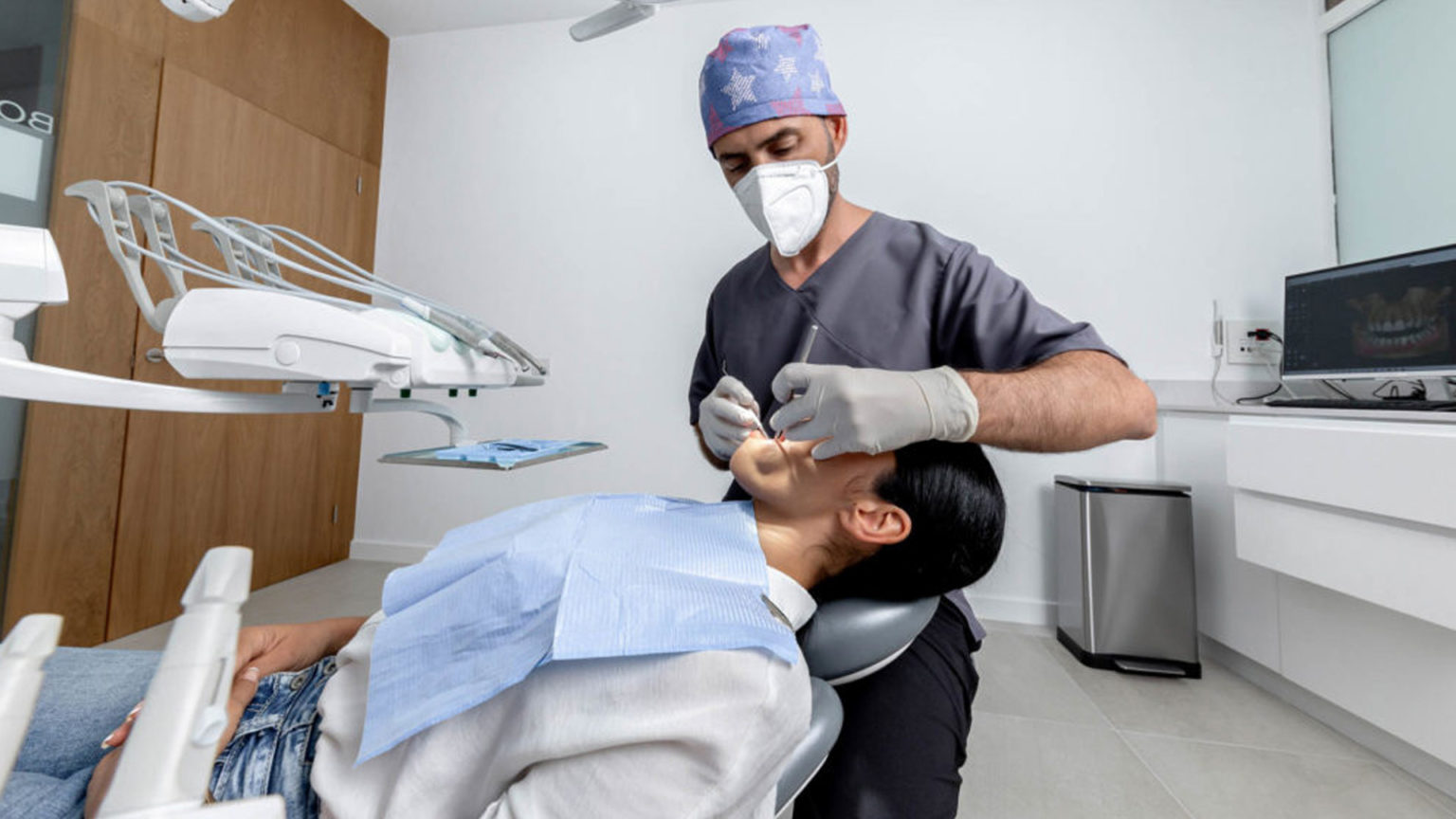
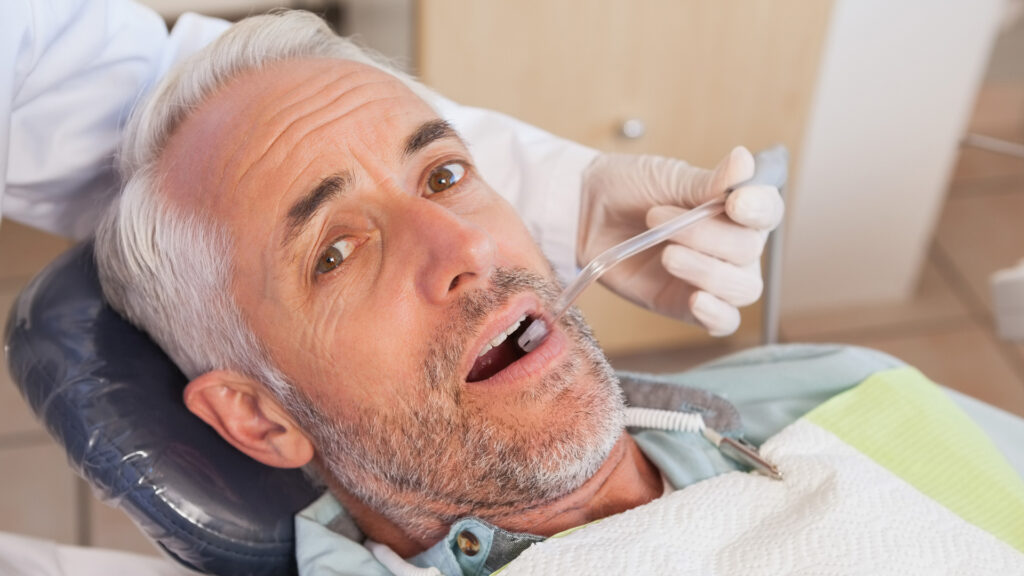

Sudden dental pain has a way of taking over everything else. A sharp pulse in the back molar, pressure that climbs into the jaw, a cracked tooth after dinner, swelling that seems to appear out of nowhere, these are not the kinds of problems people can neatly schedule for next Thursday. They interrupt sleep, concentration, meals, work, and in some cases, basic speech. When the pain spreads into the jaw or face, the situation feels even more urgent because people often do not know whether they are dealing with a tooth problem, a joint problem, an infection, or something more serious.
That uncertainty is one reason patients start looking for an Emergency Dentist Beverly Hills residents can reach quickly. The right response is not only about getting pain relief. It is about identifying the cause before a manageable problem turns into a complicated one. In real practice, timing matters. A cavity that reaches the nerve can become an abscess. A cracked tooth can shift from repairable to non-restorable. Gum swelling can move from localized irritation to a true infection that affects the surrounding tissues.
Not every painful episode is a life-threatening emergency, but many deserve same-day attention. The key is knowing what the pain is trying to tell you.
Why jaw pain and tooth pain often show up together
Patients usually describe these symptoms in broad terms. They say the whole side of the face hurts, or the jaw feels tight, or they cannot tell which tooth is causing the trouble. That is common. The nerves that serve the teeth, gums, jaw joints, and facial structures overlap enough that pain can blur together.
A lower molar infection, for example, often feels like jaw pain at first. People may assume they slept in a bad position or clenched their teeth overnight. On the other hand, a temporomandibular joint flare-up can create soreness that mimics a toothache, especially near the back teeth. Sinus pressure can also radiate into the upper teeth. The job of an experienced emergency dentist is to sort through those possibilities quickly and safely.
The pattern of pain offers clues. Pain that lingers after hot or cold often points toward inflamed or infected pulp inside a tooth. Pain when biting may suggest a crack, a high filling, ligament inflammation, or an abscess. Swelling in the gum with a bad taste in the mouth frequently suggests drainage from an infection. Jaw stiffness with morning soreness can indicate clenching or grinding, but if that stiffness comes with fever, visible swelling, or difficulty opening the mouth, the concern rises.
This is where judgment matters more than guesswork. Dental emergencies are not just about where it hurts. They are about how the pain behaves, how fast it developed, what triggers it, and what other symptoms are traveling with it.
The situations that deserve urgent dental care
Some problems can wait a day or two with careful management. Others should be seen the same day, and a few belong in a hospital setting rather than a dental chair. Patients do best when they stop trying to tough it out and pay attention to warning signs.
Here are the symptoms that usually justify calling an emergency dental office promptly:
- Significant swelling in the gums, jaw, or face
- Throbbing tooth pain that does not settle with over-the-counter medication
- A broken, cracked, or knocked-out tooth
- Bleeding that does not stop after pressure
- Difficulty opening the mouth, swallowing, or breathing
The last point is especially important. If swelling interferes with breathing or swallowing, or if a person has facial swelling with fever and feels generally unwell, that moves beyond routine urgent dental care. Those cases may need emergency room evaluation because infections in the head and neck can spread unpredictably.
For less dramatic but still painful situations, same-day dental care is often enough to stop the problem from escalating.
Common causes behind sudden tooth and jaw pain
The most frequent source of severe dental pain is deep decay that has reached the pulp, the living tissue inside the tooth. Once that tissue becomes inflamed, pressure builds in a space that has nowhere to expand. That is why pulp pain can feel intense, rhythmic, and impossible to ignore. If bacteria continue deeper, the infection may travel out of the tooth and into the bone around the root.
Cracked teeth are another major cause, particularly in adults who chew ice, grind their teeth, or have large older fillings. A crack may start with brief pain on biting and then become constant if the nerve is exposed. These are tricky cases because the tooth can look relatively normal while producing major symptoms.
Abscesses are the situation most patients fear, and for good reason. An abscess can create severe pressure, swelling, tenderness in the jaw, and sometimes a foul taste if it drains. Many people think the pain will always be dramatic, but that is not always true. Some abscesses are surprisingly muted until swelling becomes visible.
Gum infections can also produce localized pain and tenderness. Food impaction between teeth, an inflamed wisdom tooth, or advanced periodontal disease may lead to painful swelling. In younger adults, partially erupted wisdom teeth are a frequent reason for emergency visits because the tissue around them can become infected and hard to clean.
There are also non-dental issues that deserve consideration. Jaw joint inflammation, muscle spasms from clenching, sinus congestion, and even nerve pain disorders can imitate a tooth emergency. A careful exam, sometimes combined with X-rays, is what separates one category from another.
What an emergency dentist actually does during a same-day visit
People often call expecting one of two extremes. They imagine either a quick prescription and a pat on the shoulder, or an immediate major procedure regardless of how inflamed everything feels. Real emergency care is more measured than that. The first goal is diagnosis. The second is stabilization. Definitive treatment may happen the same day, but it depends on what the tissue can tolerate and what will solve the problem most safely.
A typical emergency visit starts with a health review and focused history. When did the pain begin, what makes it worse, is it waking you at night, does temperature trigger it, is there swelling, any recent trauma, any prior work on that tooth, these details help narrow the field quickly. The exam often includes percussion testing, bite evaluation, gum probing, thermal testing, and X-rays. If the pain is diffuse, the dentist may need to test several teeth to isolate the source.
Treatment varies. A deeply infected tooth may need emergency root canal therapy, drainage, or extraction. A fractured filling may need temporary or permanent repair. A crown that has come off might be recemented if the underlying tooth is healthy enough. If the bite is causing acute ligament strain, a minor adjustment can bring fast relief. When the issue is infection-related, dentists often balance pain control, drainage, and the timing of any procedure based on the amount of swelling and the overall condition of the patient.
Antibiotics are sometimes necessary, but they are not a cure for every toothache. That point gets missed often. If the problem is an inflamed nerve inside a sealed tooth, antibiotics alone usually will not fix it. The source has to be treated. That might mean root canal treatment, extraction, or another targeted intervention. Good emergency care is source control, not just symptom suppression.
How to manage the pain before you get to the office
The hours between the first wave of pain and the dental appointment can feel very long. While waiting, the best approach is calm, basic care, not improvised home remedies that can burn tissue or worsen the problem.
A practical short-term approach looks like this:
- Rinse gently with warm salt water if the gums feel irritated
- Use a cold compress on the outside of the face for swelling
- Take over-the-counter pain medication as directed on the label, unless your physician has told you otherwise
- Keep the head elevated if throbbing worsens when lying flat
- Avoid placing aspirin or clove oil directly on the gums or tooth
That last point is worth stressing. People still do it, and it still causes trouble. Aspirin against the gum can create a chemical burn. Strong oils can irritate soft tissue and distract from the real issue. If a tooth is broken, save any large fragments and bring them to the appointment. If a tooth is knocked out completely, hold it by the crown rather than the root, rinse it briefly if dirty, and try to get immediate professional advice because time affects the chance of saving it.
When jaw pain may not be “just dental”
One of the more challenging parts of emergency diagnosis is the patient who points to a molar while the real source is the jaw joint or the surrounding muscles. Clenching and grinding can create powerful pain in the masseter and temporalis muscles, and that pain often refers into the teeth. These patients may feel certain a filling is failing when the actual issue is overworked muscle and joint strain.
The opposite also happens. Someone assumes it is “just TMJ” because the jaw feels sore, but the underlying cause is a lower molar infection. I have seen patients wait too long because they thought the pain came from stress, when in fact the tooth had a deep crack and a spreading infection.
There are also red-flag scenarios outside routine dentistry. Pain in the jaw with chest discomfort, shortness of breath, or pain radiating down the arm should not be dismissed. While that falls outside standard dental care, it is one reason severe jaw pain deserves respect. Dental problems are common, but not every pain pattern belongs to the teeth.
The Beverly Hills factor, speed, discretion, and expectations
Patients seeking an Emergency Dentist Beverly Hills often care about more than immediate pain relief. They want rapid access, clear communication, and treatment that respects both function and appearance. In a place where professional schedules are demanding and public visibility matters, people tend to notice quickly when facial swelling, speech changes, or a broken front tooth affect daily life.
That means emergency care in Beverly Hills often involves a broader conversation than simply stopping pain. If the affected tooth is in the smile line, temporary esthetics matter. If a patient has an event, filming schedule, travel commitment, or high-stakes meeting, the dentist may need to plan around that reality while still staying medically sound. A temporary bonded restoration, a discreet provisional, or a carefully timed definitive procedure can make a practical difference.
This is also an area where patients often have extensive prior dental work, veneers, crowns, implants, cosmetic bonding, full-mouth rehabilitations. Emergencies in those mouths require a different level of planning because every intervention touches existing materials, bite relationships, and cosmetic outcomes. A cracked natural tooth under an older crown is not the same as a simple untreated cavity. An inflamed bite around multiple restorations needs a dentist who can evaluate the entire functional picture, not just the loudest tooth.
What can happen if you wait too long
There is a persistent belief that if pain eases up, the problem is resolving. In dentistry, pain that disappears can sometimes mean the opposite. A nerve may have died, which can reduce sensitivity temporarily while infection continues in the bone around the root. By the time swelling appears, the disease process may be further along than the patient realizes.
Delay also narrows treatment options. A crack that might have been stabilized with a crown can deepen and split the tooth. A cavity that once needed a filling can progress to root canal treatment. An infection that starts local can spread into surrounding tissues, making treatment more involved and recovery slower.
The cost implications follow the biology. Early treatment is usually simpler, quicker, and less expensive than delayed rescue work. People rarely feel grateful for hearing that in the moment, especially when they are in pain, but it is consistently true in practice.
Children, older adults, and patients with medical conditions
Dental emergencies do not behave exactly the same in every age group. Children often struggle to describe the location or quality of pain, so parents may only notice that the child stops chewing on one side, becomes irritable at night, or suddenly avoids cold foods. Facial swelling in a child deserves prompt evaluation, particularly if it is accompanied by fever or lethargy.
Older adults may have more complex medication histories, reduced healing capacity, or extensive existing dental work. Dry mouth from medications can accelerate decay rapidly, especially around the margins of crowns and bridges. In this group, “sudden” pain sometimes comes from a long-developing problem that stayed hidden until the tooth structure finally gave way.
Patients with diabetes, immune suppression, heart conditions, or recent surgeries should mention those factors early when calling for emergency care. They affect medication choices, infection risk, and the urgency of treatment. Pregnancy also matters, both for imaging protocols and medication planning. None of these issues prevent emergency treatment, but they shape how it is delivered.
Questions worth asking when you call
The first phone call can make the rest of the day easier. A well-run office should help triage the situation instead of simply offering the next open slot. If you are in severe pain, have swelling, or suspect trauma, say so clearly. Mention whether you have fever, difficulty swallowing, or a knocked-out tooth. The receptionist or clinical team should know enough to escalate the case appropriately.
It also helps to ask whether the office can provide diagnostics and treatment on the same day. Some offices only evaluate, while others can move directly into procedures like root Emergency Dentist Beverly Hills dentalgroupbh.com canal treatment, extractions, temporary crown repair, or drainage. If you have recent X-rays from another dentist, ask whether you can send them ahead. That can save time, although fresh images are often still needed.
Patients who take blood thinners, have significant allergies, or have had recent medical treatment should say that during the initial call rather than waiting until they arrive.
Aftercare matters almost as much as the emergency visit
The immediate procedure may stop the crisis, but proper aftercare determines how smoothly recovery goes. A drained abscess still needs follow-through. A temporary filling needs definitive treatment. An extracted tooth may need a replacement plan, especially in areas where shifting can occur quickly. A cracked tooth that receives a temporary solution may still require a crown or additional work once the inflammation settles.
Pain after treatment should follow a pattern. Mild to moderate soreness often improves over a few days. Swelling should stabilize or decrease, not steadily worsen. If pain intensifies, fever develops, or swelling increases after treatment, the office should be contacted right away. Good emergency dentistry includes a clear next step, not just a patch and a goodbye.
That continuity is where many outcomes are won or lost. The emergency solves the immediate threat, but the long-term result depends on finishing the treatment plan and correcting whatever caused the problem in the first place. If grinding broke the tooth, a night guard may be part of the answer. If decay spread under an old restoration, the surrounding teeth may need close evaluation too.
The real goal is not just relief, it is preservation
When people search for an Emergency Dentist Beverly Hills, they are usually focused on one thing: stopping the pain now. That is understandable. Yet the best emergency care goes a step further. It aims to preserve teeth when possible, protect facial health, and restore function in a way that makes sense for the patient’s life.
Sometimes the right move is conservative, a temporary measure to calm inflamed tissue and buy time for a precise repair. Sometimes the right move is decisive, immediate endodontic treatment, urgent extraction, or drainage before infection advances. The difference comes down to diagnosis, timing, and clinical judgment.
Sudden jaw and tooth pain rarely improve by being ignored. It is usually the body’s way of demanding attention. Fast evaluation, sensible pain control, and targeted treatment can turn a frightening day into a manageable one. More importantly, it can keep a painful emergency from becoming a much larger health problem.
Dental Group of Beverly Hills
8641 Wilshire Blvd #125, Beverly Hills, CA 90211, United States
Phone: +1 (310) 929-6335
FAQ About Emergency Dentist Beverly Hills
What is considered to be a dental emergency?
Severe tooth pain, a knocked-out permanent tooth, a significant tooth fracture, or suspected dental infection needs prompt professional assessment. Contact a dentist to describe the problem and arrange appropriate care. Trouble breathing or swallowing, uncontrolled bleeding, or major facial injury requires immediate emergency medical attention.
How to tell if tooth pain is serious?
Pain that is severe, persistent, or accompanied by fever, facial swelling, or a bad taste should be assessed promptly by a dentist. The cause cannot be confirmed from symptoms alone. If swelling affects breathing or swallowing, call 911 or go to an emergency department.
What do I do if I have a dental emergency and no dentist?
Call a nearby dental practice that accepts urgent patients and explain your symptoms, when they began, and any recent injury. Ask about the earliest available assessment and what information to bring. For life-threatening symptoms, seek emergency medical care immediately instead of waiting for a dental appointment.
❧