October 1, 2026
How Emergency Dentist Beverly Hills Clinics Handle Walk-In Patients
By @israelwsuz188
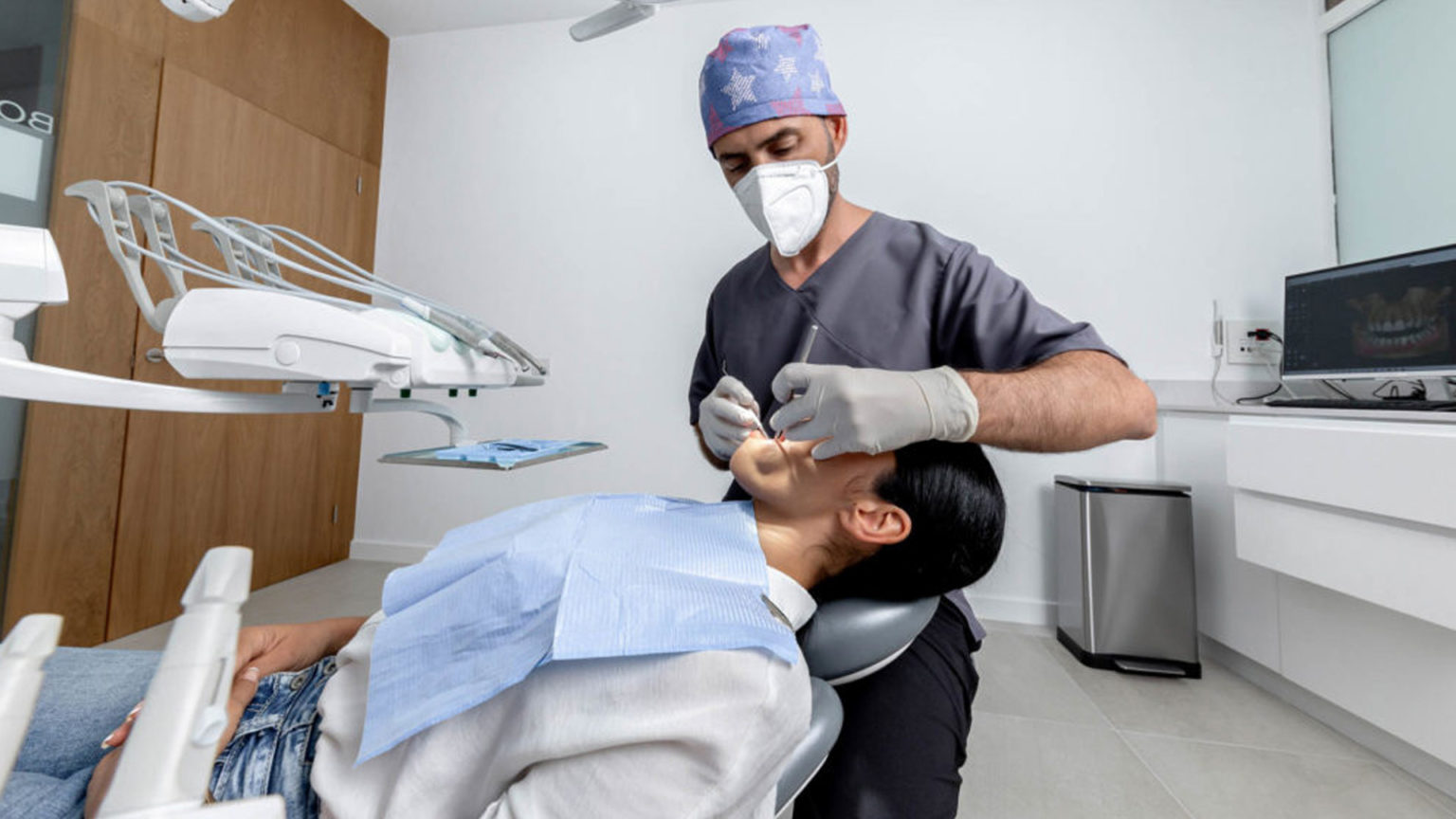

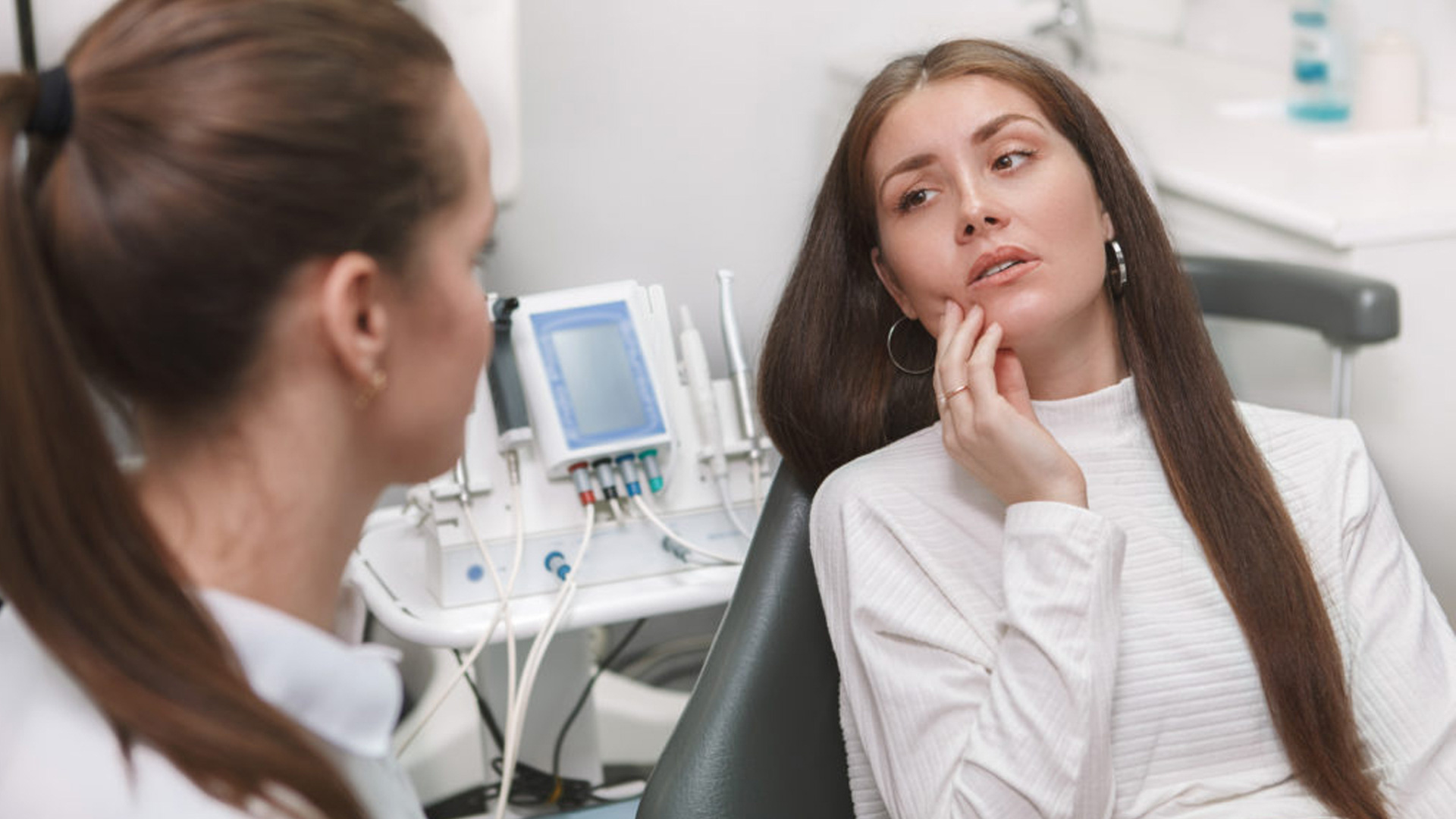
Dental emergencies rarely arrive at a convenient hour. A front tooth chips during lunch, a crown loosens before a business event, a child wakes up crying with swelling on one side of the face, or a dull toothache suddenly sharpens into something impossible to ignore. In Beverly Hills, where schedules run tight and expectations are high, walk-in dental care has to balance speed with clinical judgment. The patient wants relief now. The clinic has to decide what needs treatment immediately, what can safely wait, and how to move someone from distress to stability without cutting corners.
That balancing act is what defines a well-run emergency dental office.
When people search for an Emergency Dentist Beverly Hills, they often assume the process is simple: walk in, get seen, get fixed. The reality inside the clinic is more structured than that, even when the experience feels smooth from the patient side. A true emergency practice has systems for triage, imaging, pain control, infection management, scheduling pressure, and financial conversations, all happening at once. The better those systems are, the faster a walk-in patient gets meaningful help.
What counts as a walk-in emergency
Not every same-day dental problem is equally urgent. Clinics that regularly handle emergency visits learn very quickly that the words a patient uses do not always match the level of risk. Someone saying, “It’s just a little swelling,” may need immediate attention. Someone saying, “This is unbearable,” may be dealing with a lost filling and exposed dentin, very painful but not dangerous.
Most emergency dentist offices in Beverly Hills place walk-ins into a few broad categories. Trauma cases, such as broken, displaced, or avulsed teeth, move to the front because time affects the outcome. Infection with swelling, fever, difficulty swallowing, or facial asymmetry raises concern because the problem can spread. Severe pain with no visible swelling still matters, especially when it interrupts sleep or suggests nerve involvement. Then there are the quality-of-life emergencies, including cracked veneers, broken front teeth, or dislodged restorations, which may not be medically urgent but are still treated seriously, particularly in a community where appearance often intersects with work and public-facing commitments.
That distinction matters because emergency care is not first come, first served in the purest sense. It is usually first assessed, then prioritized.
The front desk does more clinical work than most people realize
A walk-in emergency often begins before the patient sits in a dental chair. The front desk or treatment coordinator is usually the first filter, and in strong clinics, that role goes far beyond paperwork. Staff are trained to listen for red-flag symptoms, gauge urgency, and pull in a clinical team member quickly when needed.
If a patient enters holding a towel to the jaw, reporting facial swelling, or speaking through obvious pain, the receptionist does not simply hand over forms and ask them to wait. In a competent emergency setting, the desk alerts the assistant or dentist, gathers the minimum information needed to safely register the patient, and gets them into a room as soon as possible. Administrative details can be completed after the first clinical assessment if necessary.
This is where experienced staff make a visible difference. They know when to ask, “Are you having trouble breathing or swallowing?” They know that a knocked-out permanent tooth should not sit dry in a tissue for half an hour. They know that a child who fell at school may need evaluation even if the bleeding has stopped. Calm, efficient intake is not a cosmetic part of emergency care. It is part of patient safety.
Triage comes first, treatment second
Once the patient is brought back, the clinic usually follows a triage model. In medical settings, triage means determining who needs care first and what level of care they need. Dentistry uses the same logic, just in a narrower field.
The first few minutes are often focused on four questions: What happened, when did it start, what are the symptoms now, and are there any signs that make this unsafe to manage in a standard dental office? A dentist or assistant checks for swelling, bleeding, mobility, trauma, fever history, recent dental work, and health conditions that can complicate treatment. Blood pressure may be taken, especially in patients who appear distressed or may need anesthesia.
A walk-in patient with a severe toothache may assume the visit will go straight to a filling, root canal, or extraction. Sometimes it does. Often, though, the first goal is narrower: identify the source of the pain and make the patient stable. That might mean taking an X-ray, draining an abscess, adjusting a bite, placing a sedative dressing, prescribing medication when appropriate, or scheduling definitive treatment later the same day or the next available slot.
The public often thinks emergency dentistry is about fixing everything in one visit. In practice, it is about solving the immediate threat, controlling symptoms, and choosing the safest next step.
Imaging is usually non-negotiable
Walk-in patients are sometimes surprised when an office will not commit to treatment before taking images. That reluctance is not delay for delay’s sake. It is Emergency Dentist Beverly Hills standard of care.
A cracked cusp can mimic a sinus issue. Referred pain can point to the wrong tooth. Swelling near one molar can originate from another. Trauma can fracture roots in ways that are not obvious clinically. Without imaging, the dentist is often guessing, and guessing is a poor habit in an emergency.
Most Beverly Hills emergency clinics use digital radiographs because they are fast and easy to review chairside. In some cases, especially trauma, impacted teeth, suspected vertical fractures, or complex infection patterns, a cone beam CT may be appropriate if the office has it. Not every emergency requires advanced imaging, but strong offices know when two-dimensional X-rays are enough and when they are not.
This is also where patient expectations sometimes need adjustment. A person may walk in asking for an extraction because “that’s the tooth that hurts,” yet the X-ray shows the pain is coming from a different tooth, or that the tooth can be saved and extraction would be premature. Good emergency care includes the willingness to say no to the wrong treatment, even when the patient wants a quick answer.
How clinics fit walk-ins into a full day
The logistics behind emergency scheduling are usually invisible to patients, but they explain a lot about why some walk-in visits move quickly and others involve a wait. A dentist with a full restorative schedule cannot simply stop mid-procedure every time a new emergency enters the office. Clinics that advertise same-day urgent care typically protect blocks in the schedule, stagger provider availability, or build enough assistant support to create flexibility.
A common model is to reserve short emergency slots throughout the day, often long enough for evaluation, imaging, and immediate relief. If the patient needs more involved treatment, the office then decides whether to extend the appointment, move another procedure, or bring the patient back later that day. In multi-doctor practices, one provider may absorb emergency visits while others stay on scheduled cases. In smaller clinics, the team may have to make harder choices.
Patients sometimes interpret waiting as disorganization, but it often reflects triage happening in real time. A broken front tooth that feels catastrophic to one person may reasonably wait if another patient has spreading infection or uncontrolled bleeding. The better clinics communicate that clearly and respectfully.
What happens during the first emergency chairside conversation
Once the dentist is in the room, the interaction is usually more focused than a routine exam. The patient explains the problem, but the clinician listens for specifics: sharp or throbbing pain, cold sensitivity, pain on biting, recent dental work, trauma timing, drainage, bad taste, jaw stiffness, swelling progression, and use of pain medication. The pattern often tells the story before the images confirm it.
A tooth that hurts with cold and lingers may suggest pulpal inflammation. Pain on release after biting can indicate a crack. Night pain that wakes the patient often points toward irreversible pulpitis. Diffuse swelling with tenderness and fever raises the stakes considerably. A lost crown with no pain may be simple. A lost crown on a heavily decayed tooth may be anything but simple.
Experienced emergency dentists are also watching behavior. Is the patient guarding one side? Are they able to open fully? Does the pain spike when they lie back? Are they anxious because of the injury, or because prior dental treatment went badly? Those details shape not only diagnosis, but also the pace and style of care.
Pain relief is important, but not every office handles it the same way
Pain control is one of the main reasons people seek emergency dental care, and clinics know that. Still, professional offices do not treat “pain management” as a synonym for Emergency Dentist Beverly Hills “prescription.” The best emergency dentists focus first on removing the cause of pain or reducing the inflammatory trigger.
That may involve local anesthetic, occlusal adjustment, pulpotomy, temporary stabilization of a fractured tooth, drainage of pressure, recementing a restoration, or extraction when appropriate. These interventions tend to help far more than medication alone. A patient in severe tooth pain often gets the most relief from targeted treatment in the chair, not from leaving with a bottle of tablets.
Medication has a role, especially when infection, swelling, or post-procedure discomfort are involved, but sound practices are measured about it. They review allergies, medical conditions, current medications, and the clinical source of pain. They also explain the difference between temporary symptom control and definitive treatment. That conversation matters because one of the most common emergency visit failures is when the patient feels slightly better after medication, delays follow-up, and returns days later with a much larger problem.
Infection cases move differently from broken tooth cases
A chipped incisor and a facial swelling may both arrive as walk-ins, but the clinic handles them very differently. Cosmetic urgency and infectious urgency are not the same thing, even if both deserve attention.
When infection is suspected, the dentist’s first concern is spread. They assess whether the swelling is localized or diffuse, whether it involves soft tissue spaces, whether the patient has systemic symptoms, and whether the airway could become an issue. Dentistry intersects with medicine very quickly here. An office can manage many dental infections, but not all of them. If the patient has trouble swallowing, difficulty breathing, rapidly increasing swelling, or appears medically unstable, the right move may be referral to a hospital setting rather than prolonged treatment in the clinic.
For more contained cases, the office often provides immediate intervention and a short treatment path forward. A walk-in with a draining abscess may need the source tooth opened, the area drained if possible, or the tooth removed if it is non-restorable and the patient consents. Antibiotics may be appropriate, but they are not a substitute for source control. That principle is central in emergency dentistry and often misunderstood by patients who hope a prescription alone will solve the problem.
Trauma cases demand speed and calm
Dental trauma is where emergency workflow really shows its value. A child who fractures a front tooth at soccer practice, an adult who slips and hits the edge of a sink, or a driver who bites down during a minor collision all create a high-stress situation. The clinic needs to act quickly without amplifying the panic.
For walk-in trauma, teams usually focus on a few immediate priorities:
- Stop active bleeding and assess soft tissue injury.
- Check whether teeth are displaced, loose, fractured, or missing.
- Take images to rule out root or bone injury.
- Stabilize the tooth or teeth if possible.
- Decide what must happen now and what can happen after swelling or pain settles.
These are the cases where minutes can matter. A knocked-out permanent tooth has a better chance if handled correctly and replanted quickly. A luxated tooth may need repositioning and splinting. A fracture line that extends into the root changes the treatment plan completely. Good offices also ask whether the patient had loss of consciousness or head injury, because sometimes the dental problem is not the only problem.
Trauma visits also tend to be emotionally charged. Parents often feel guilty. Adults worry about appearance immediately. Clinicians who do this work well know how to give direct information without sounding abrupt. “We can stabilize this today, but we may not know the tooth’s long-term prognosis until we monitor it,” is often the honest answer.
Cosmetic emergencies are still real emergencies to the patient
Beverly Hills practices see a fair share of cases that fall into a gray area between urgent care and elective repair. A veneer comes off the morning of a camera appearance. A bonding edge breaks before a wedding. A temporary crown dislodges before international travel. These may not threaten health, but they can carry real professional and social consequences.
An experienced Emergency Dentist Beverly Hills clinic understands that “not medically dangerous” does not mean “not important.” The difference is in how they prioritize and communicate. If the office has room, they may re-bond, smooth, polish, place a provisional, or make a quick aesthetic adjustment the same day. If the full definitive repair requires lab work or a longer appointment, they will often focus first on making the tooth presentable and comfortable.
This is where local practice style matters. Beverly Hills dentistry often blends urgent function with aesthetic management because patients expect both. The strongest offices can do that without trivializing more severe emergencies or overpromising what is possible in one visit.
Insurance, fees, and consent tend to happen faster than in routine visits
Walk-in emergencies compress decision-making. The patient is uncomfortable, the dentist is diagnosing under time pressure, and treatment may need to begin before every administrative detail is settled. That said, reputable offices still handle consent and fees carefully.
Most clinics explain the emergency exam fee, imaging charges, and likely treatment range before moving into major procedures, unless a true urgent situation requires immediate action. If the patient has insurance, staff often verify what they can, but same-day benefits confirmation is not always complete. Out-of-network issues, annual maximums, and limitations on procedures can all affect the final out-of-pocket amount.
This is one reason many emergency visits are staged. The office performs the diagnostic exam and urgent relief first, then reviews the complete treatment plan once the patient is more comfortable. It is not uncommon for a walk-in patient to arrive expecting one simple fix and leave with options that include root canal therapy, crown replacement, extraction with grafting, or specialist referral. That can be frustrating, but it is better than pretending a complex problem is simple.
Not every walk-in should be treated in a general emergency clinic
A solid emergency dentist knows the limits of the setting. Some cases belong with an oral surgeon, endodontist, periodontist, pediatric dentist, or physician. The trick is recognizing that early.
A few examples make the point. A deeply impacted wisdom tooth with swelling and limited opening may be more appropriate for oral surgery. A complicated molar with severe canal anatomy may be better managed by an endodontist if the patient wants to save it. A young child with trauma and behavior challenges may need pediatric expertise. A patient on blood thinners or with a significant medical history may require coordination before extraction.
This is not a failure of emergency care. It is part of emergency care. The job is to get the patient to the right treatment as efficiently and safely as possible. Sometimes that means doing the definitive procedure in-house. Sometimes it means stabilizing the problem, reducing pain, and arranging handoff.
What patients can do before they arrive
Walk-ins are, by definition, unplanned, but a few simple actions can make the visit smoother and sometimes improve the outcome.
- Bring a photo ID, insurance card if you have one, and a list of current medications.
- If a tooth or fragment broke off, store it cleanly and bring it with you.
- Do not place aspirin directly on the gum, it can burn the tissue.
- For swelling, use a cold compress on the face rather than heat unless a dentist advises otherwise.
- If breathing or swallowing is affected, seek emergency medical care immediately.
Those small details save time at the front desk and reduce preventable complications. In trauma cases, they can be especially important.
Why some walk-ins leave fully treated and others leave with a temporary fix
Patients often judge an emergency visit by whether the entire problem was “finished” that day. Clinically, that is not always the right measure. A same-day root canal and crown build-up may be possible if the diagnosis is clear, the schedule allows it, and the tooth is restorable. But a temporary measure may be smarter when the patient arrives late in the day, the tissue is too inflamed for predictable work, the fracture extends below the gum line, or consent decisions need more discussion.
Temporary treatment is not lower-quality treatment when used correctly. It is often what protects the patient while the final plan becomes clearer. A sedative filling can calm an acutely inflamed tooth. A bonded splint can stabilize trauma until reevaluation. A recemented crown can carry a patient through a critical event before definitive replacement. The key is clear follow-up. Problems start when temporary care is presented as permanent, or when the patient is not told how urgent the next step really is.
The clinics that do this well feel calm even when the day is not
From the outside, emergency dental care can look improvisational. In the best Beverly Hills clinics, it is anything but. The office may seem calm because there is a system underneath the calm. Someone is screening urgency at the desk. Someone is preparing radiographs. Someone is turning over a room quickly. The dentist is deciding whether this is a pain-control visit, an infection-control visit, a trauma stabilization visit, or a definitive treatment visit. Financial coordination is happening in parallel, not in the way of care.
That structure matters because patients who arrive as walk-ins are often frightened, embarrassed, rushed, or all three. They need clear answers, not theatrics. They need to know whether the tooth can be saved, whether the swelling is dangerous, whether the repair will hold through the weekend, and what happens next.
A reliable Emergency Dentist Beverly Hills practice handles those questions with a blend of urgency and restraint. Urgency, because pain and infection should not be minimized. Restraint, because not every problem should be solved with the fastest possible procedure. Good emergency dentistry is less about dramatic interventions and more about good judgment under pressure.
That is what patients are really looking for when they walk through the door unannounced. Not just speed, though speed matters. They are looking for a team that can sort out the problem, relieve the immediate distress, and make the next decision the right one.
Dental Group of Beverly Hills
8641 Wilshire Blvd #125, Beverly Hills, CA 90211, United States
Phone: +1 (310) 929-6335
FAQ About Emergency Dentist Beverly Hills
What is considered to be a dental emergency?
Severe tooth pain, a knocked-out permanent tooth, a significant tooth fracture, or suspected dental infection needs prompt professional assessment. Contact a dentist to describe the problem and arrange appropriate care. Trouble breathing or swallowing, uncontrolled bleeding, or major facial injury requires immediate emergency medical attention.
How to tell if tooth pain is serious?
Pain that is severe, persistent, or accompanied by fever, facial swelling, or a bad taste should be assessed promptly by a dentist. The cause cannot be confirmed from symptoms alone. If swelling affects breathing or swallowing, call 911 or go to an emergency department.
What do I do if I have a dental emergency and no dentist?
Call a nearby dental practice that accepts urgent patients and explain your symptoms, when they began, and any recent injury. Ask about the earliest available assessment and what information to bring. For life-threatening symptoms, seek emergency medical care immediately instead of waiting for a dental appointment.
❧