October 30, 2026
What to Expect from Same-Day Emergency Dentist Treatment
By @israelwsuz188
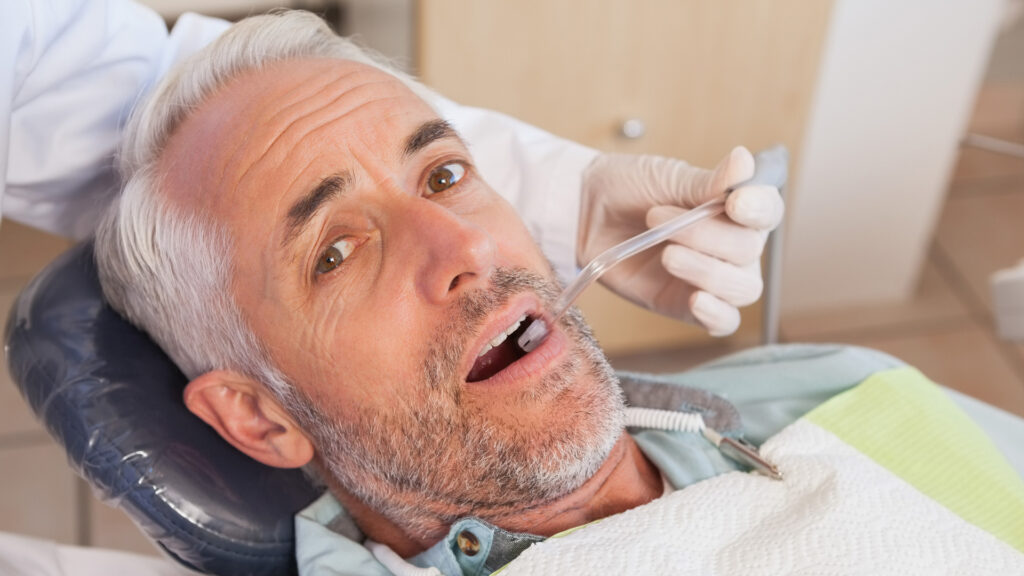


A dental emergency has a way of shrinking the rest of the day. Plans get canceled, meals become difficult, sleep starts to feel unlikely, and a problem that may have been manageable yesterday suddenly becomes impossible to ignore. When people search for an Emergency Dentist, they are rarely browsing out of curiosity. They are usually dealing with sharp pain, swelling, a broken tooth, bleeding, or the sinking feeling that something has gone badly wrong.
Same-day emergency dental treatment is designed for exactly that moment. Its purpose is not always to finish every part of a complex dental problem in a single visit. More often, the immediate goal is to diagnose the cause, relieve pain, control infection or bleeding, and stabilize the tooth or surrounding tissues so the situation does not worsen. Sometimes that does mean complete treatment on the spot. Other times, it means a well-judged first step followed by a planned return visit.
That distinction matters, because many patients arrive expecting either a miracle or terrible news. Most same-day emergency appointments sit somewhere in between. They are practical, focused, and often very effective at getting a patient from crisis to control.
What counts as a dental emergency
Not every dental problem needs same-day care, but some clearly do. A cracked filling that feels a little rough may wait a short time. A toothache that keeps you awake, swelling in the gum or face, a knocked-out tooth, uncontrolled bleeding, or trauma after a fall should not.
There is also a middle category that catches people out. A patient may not be in severe pain, yet the issue still deserves urgent attention. A broken front tooth before travel, a crown that comes off exposing a heavily prepared tooth, or a gum abscess that starts draining can all deteriorate quickly. I have seen patients delay because the pain eased for a day, only to return with significantly more swelling and fewer treatment options.
If you are unsure whether your problem is urgent, many dental offices can guide you by phone. The receptionist or clinical team will often ask when the pain began, whether there is swelling, whether the tooth is broken or loose, and whether you have fever, difficulty swallowing, or trouble opening your mouth. Those details help them judge how quickly you need to be seen.
The first contact usually starts before you walk in
A good same-day emergency process begins on the phone. The clinic may ask for your symptoms, medical conditions, medications, allergies, and whether you have had recent dental work. If there has been an injury, they may want to know how it happened and whether you hit your head or lost consciousness. Dental trauma sometimes comes with facial injuries that need medical assessment as well.
You may also be told how to manage the situation on the way in. For example, if a tooth has been knocked out, the advice is often to handle it by the crown rather than the root, rinse it gently if visibly dirty, and keep it moist in milk or saliva while getting to the office as quickly as possible. Time matters. The odds of saving a knocked-out tooth are far better when treatment happens early.
If swelling is spreading into the face, or if breathing and swallowing feel affected, a dental office may advise immediate medical care instead of waiting for a routine emergency slot. That is not an overreaction. Infections in the mouth can spread into spaces where they become medically serious.
Expect a focused appointment, not a routine checkup
Same-day emergency visits feel different from standard dental appointments. The atmosphere is usually more direct. The dentist is trying to answer a few urgent questions quickly and accurately. Where is the pain coming from. Is there infection. Is the tooth restorable. Is the problem dental, periodontal, traumatic, or sometimes referred pain from somewhere else.
You should expect a conversation, an examination, and usually some imaging. A small dental x-ray is common. If the issue involves wisdom teeth, trauma, jaw pain, or more complex anatomy, a panoramic image or other scan may be recommended if the clinic has it available. The purpose is not to generate extra treatment. It is to see what cannot be seen from the chair alone, such as decay under a filling, bone loss, an abscess near the root, a fracture line, or the position of a tooth after trauma.
Emergency appointments also tend to be selective about priorities. If you have several long-standing dental concerns, the dentist may note them, but the visit will center on the problem causing immediate risk or discomfort. Patients sometimes find that frustrating at first, especially if they have waited a long time to address multiple issues. In reality, it is usually the safest and most effective way to use the appointment.
What the dentist is assessing in real time
During the exam, the dentist is not just looking at the painful tooth. They are reading a pattern. They may tap on teeth, test temperature response, check the bite, examine the gums, and look for swelling, mobility, pus, or signs of trauma. A tooth that hurts with cold may be inflamed but still recoverable. A tooth that lingers with intense pain after hot or cold exposure may have an irritated or dying nerve. A tooth that is tender when biting may be cracked, abscessed, or bruised after trauma. Swelling near the gumline may point to a periodontal issue rather than decay alone.
Judgment matters here. Two people can both say, "My tooth hurts," while needing completely different care. One might need a simple filling replacement. Another might need an emergency extraction, root canal access, or drainage of an abscess. The symptoms overlap more than most people realize.
This is one reason same-day treatment can vary so much from person to person. The phrase itself describes timing, not a single type of procedure.
Pain relief is usually the first practical goal
Most patients care about one thing before anything else, which is whether they will leave in less pain than when they arrived. In a well-managed emergency visit, that is usually the target.
Pain relief may come from different forms of treatment. If a cavity has reached the nerve, opening the tooth and removing inflamed tissue can bring dramatic relief. If the issue is a high filling or crown that has altered the bite, a small adjustment can make a surprisingly big difference. If there is a localized gum abscess, drainage and cleaning may reduce pressure quickly. If a tooth is not salvageable and is the source of acute pain, extraction may be the fastest route to relief.
Anesthetic is often part of the process, and emergency dentists are generally very experienced in getting numb under difficult conditions. Inflamed tissue can be harder to anesthetize well, so sometimes the technique changes, or extra time is taken to let the anesthetic work fully. Patients who arrive frightened often assume severe pain means the procedure itself will be unbearable. In practice, the opposite is often true. Once the source is identified and anesthesia is effective, treatment becomes much more manageable.
Common same-day treatments you might receive
The exact treatment depends on what the exam reveals, but several interventions are especially common in emergency dental care.
A temporary or permanent filling may be placed if decay or a lost restoration is exposing sensitive tooth structure. If the tooth is badly broken but still potentially saveable, the dentist may smooth sharp edges, place a protective temporary material, or build up the tooth enough to hold until a later crown appointment.
When the nerve inside the tooth is the problem, the emergency treatment may involve starting root canal therapy. That does not always mean the entire root canal is completed in one sitting. In a true emergency, opening the tooth, removing infected pulp tissue, disinfecting the chamber, and sealing it temporarily can be enough to settle the pain and infection pressure. The full treatment can then be completed under calmer circumstances.
If the tooth cannot be restored predictably, extraction may be recommended the same day. People often fear that recommendation, but there are times when it is the most sensible option. A deeply fractured tooth below the gumline, a loose tooth with little supporting bone, or a severely decayed tooth that no longer has enough healthy structure may not justify heroic treatment. A careful dentist will explain that reasoning rather than present extraction as the default.
Broken crowns, dislodged bridges, and damaged dentures can sometimes be managed on the same day, especially when the immediate issue is comfort or appearance. Recementing a crown is straightforward only if the tooth underneath is sound and the fit remains acceptable. If decay is present or the tooth has changed shape, a temporary solution may be used instead.
When antibiotics are prescribed, and when they are not
One of the biggest misconceptions in emergency dentistry is that antibiotics fix tooth pain. They do not solve the underlying mechanical problem in most cases. If the pain comes from an inflamed or dying nerve inside the tooth, the real treatment is usually dental, not pharmaceutical. Antibiotics may have little effect unless there is spreading infection, swelling, fever, or clear involvement of surrounding tissues.
That can surprise patients who were hoping to avoid treatment and leave with a prescription. Responsible dentists try not to prescribe antibiotics casually, partly because they are not always useful, and partly because unnecessary use carries risks, including side effects and antibiotic resistance.
A better way to think about it is this: antibiotics can support treatment when infection is spreading, but they rarely replace the need to remove the source, whether by drainage, root canal therapy, periodontal treatment, or extraction.
If you need a root canal, extraction, or temporary repair, same day can still mean staged care
Patients sometimes hear "same-day emergency treatment" and picture everything being definitively solved in one appointment. That does happen in straightforward cases, but many emergencies are better handled in phases.
A badly infected molar may be opened and medicated on day one, then completed with root canal filling later once symptoms calm. A broken tooth may receive a temporary build-up and then need a crown after the gum settles. An extraction may solve the emergency, but replacement options such as an implant, bridge, or denture discussion happen later.
This is not a sign of incomplete care. It is often the hallmark of good care. Emergencies reward clear priorities. Stop pain. Control infection. Preserve what can be preserved. Avoid doing rushed definitive work in swollen, bleeding, or unstable conditions if a staged plan will produce a better long-term result.
What the visit may feel like from your side
The emotional side of emergency dentistry is easy to underestimate. Many patients arrive embarrassed that they delayed treatment, anxious about cost, worried about judgment, and physically exhausted from poor sleep. A skilled emergency dentist knows this and tries to lower the temperature of the room early.
You can expect a fair amount of explanation if the office communicates well. The dentist should tell you what they think is happening, what they can do today, what may need to wait, and what the alternatives are. If there is uncertainty, that should be stated honestly. Dental diagnosis is often clear, but there are cases where symptoms overlap and the safest next step is diagnostic treatment rather than a dramatic intervention.
Numbing, pressure, and vibration are common sensations during treatment, but uncontrolled pain should not be. If you are very anxious, tell the team early. Even small adjustments, such as taking breaks, explaining each step, or using a bite block to reduce jaw fatigue, can make the visit easier.
Costs, consent, and why emergency treatment can be narrower than expected
Same-day emergency care is usually problem-focused, and that shapes the cost as well as the treatment plan. Charges may include the emergency exam, x-rays, anesthesia, and the procedure performed that day. A temporary repair generally costs less than comprehensive reconstruction, but it is still important to understand what you are paying for and whether a second phase is likely.
Before treatment begins, you should receive an explanation of options and likely fees. If a tooth could reasonably be saved with root canal treatment and a crown but you prefer extraction, that Dental Group of Beverly Hills Emergency Dentist choice should be discussed openly, including the future consequences. Losing a back tooth may affect chewing and bite stability over time. Saving a heavily damaged tooth may be more expensive and not always predictable. These are judgment calls, not one-size-fits-all answers.
Emergency visits can also expose older work that has failed, such as large fillings, worn crowns, or root-treated teeth that have cracked years later. In those cases, the immediate fix may be only part of the story. Patients appreciate honesty here, even when the news is inconvenient.
Situations where timing matters especially much
Some emergencies are more time-sensitive than others. A knocked-out permanent tooth is one of the clearest examples. So is rapid facial swelling, especially when it begins to affect swallowing, speech, or the ability to open the mouth comfortably. Trauma involving displaced teeth, deep cuts inside the mouth, or uncontrolled bleeding also deserves prompt attention.
For children, the picture can be slightly different. Baby teeth that are knocked out are generally not replanted in the way permanent teeth may be, because of the risk to the developing adult tooth underneath. That is why the details matter. The treatment for a six-year-old after a playground accident may differ sharply from the treatment for an adult with the same-looking injury.
What you can do before you arrive
A few simple steps can make the appointment more effective and sometimes improve the outcome.
- Call as early as possible and describe symptoms clearly, including swelling, bleeding, fever, trauma, and how long the problem has been present.
- Bring a list of medications, allergies, and relevant medical conditions, especially blood thinners, diabetes, pregnancy, or heart conditions.
- If a tooth, crown, or fragment has come out, bring it with you in a clean container. For a knocked-out tooth, keep it moist.
- Avoid placing aspirin directly on the gum or tooth. It does not help and can burn the tissue.
- Eat lightly beforehand if advised, but follow any instructions the office gives you, especially if sedation might be discussed.
That short bit of preparation often saves time once you are in the chair. In emergency care, even ten or fifteen minutes can matter when someone is in pain.
What happens after the appointment
The end of the visit is not the end of the emergency until you know what comes next. You should leave with clear instructions about pain control, eating, cleaning the area, what to expect from numbness, and which warning signs mean you need to call back. Mild soreness after treatment is common. Worsening swelling, persistent heavy bleeding, fever, or pain that escalates instead of settles should be reviewed.
You may also leave with a temporary restoration that needs care. Temporary materials are useful, but they are not as durable as final restorations. Sticky foods, hard chewing on that side, or ignoring follow-up can undo a good emergency repair very quickly. This is especially common when a patient feels better and assumes the problem is fully behind them. Relief is not always the same as completion.
A realistic picture of outcomes
Most same-day emergency dental visits accomplish at least one of three things very well: they reduce pain, they stop a condition from worsening, and they create a clear treatment plan. Sometimes they do all three in one appointment. That is a strong result, even if the final crown, root canal completion, or tooth replacement comes later.
Not every Emergency Dentist tooth can be saved, and not every painful problem has a simple answer. Cracks can hide. Old dental work can fail in complicated ways. Severe decay can extend below the gumline. Patients with grinding habits, dry mouth, or delayed attendance sometimes arrive with multiple overlapping issues. Good emergency treatment is not about pretending those realities do not exist. It is about making the best clinical decision in the moment, with enough honesty and skill to protect both your comfort and your long-term oral health.
Signs you should seek urgent help again after treatment
Most recoveries are uneventful, but a few warning signs deserve quick follow-up:
- swelling that increases noticeably after the visit
- fever or a general sense that you are becoming unwell
- bleeding that does not settle with pressure as instructed
- numbness that lasts far longer than expected
- severe pain that returns suddenly after initial improvement
Those symptoms do not always mean something has gone seriously wrong, but they should not be brushed aside. Emergency dentistry works best when patients and clinicians treat follow-up as part of care rather than an afterthought.
Why the right expectations make the experience easier
People cope better with emergency dental treatment when they understand its purpose. The job of the Emergency Dentist is not merely to patch a symptom and send you away. It is to make a fast, accurate assessment under pressure, relieve the immediate problem as safely as possible, and decide what should happen next.
That might mean you walk out with the pain gone and the tooth saved. It might mean you leave with a temporary repair and an appointment for definitive treatment. It might mean an extraction was the wiser choice than trying to rescue a tooth with almost no chance of lasting. None of those outcomes is a failure if the diagnosis is sound and the decision fits the condition of the tooth.
What patients tend to remember most is not only whether the treatment worked, but whether they felt heard, informed, and treated with calm competence. When a clinic gets that part right, even a stressful dental emergency becomes manageable. And for someone who walked in holding their jaw, unable to think past the next wave of pain, that shift matters a great deal.
❧